
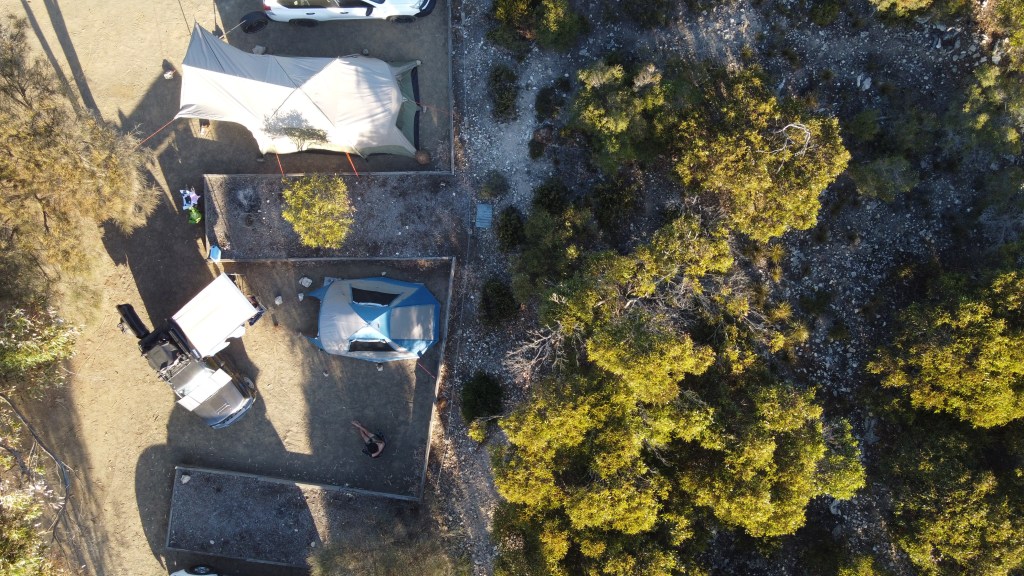
When we decided to travel across Australia long term we didn’t have any equipment organized. We were starting fresh with only the clothes we had packed from Melbourne and a few camping items that we had collected along the way in our bright green Jucy van. We needed a car obviously but we also needed a tent or some sort of shelter.
We started to look around for the best camping set up. We were already well informed on what was out there in terms of options as we were on the road for 2 months already, had been in our fair share of campsites and seen every possible camping set up available. We decide to go with a Suzuki Jimny 4WD, which is limited on space due to its compact size (but fantastic for off-roading, beach driving and all things off road) with a floor tent and an air mattress. We originally looked at getting a rooftop tent installed but due to the Jimny’s size and the fact that we would loose all of our roof storage, we oped for the floor tent. Rooftop tents are definitely a good set up for mid to long term traveling but of course that depends on what your own needs are. We will explore a few options throughout this article but first let’s talk about how we will be camping…
Camping in Australia
Australia is well known for its various harsh environments and it can be quite challenging to choose the best camping option when traveling for more than the weekend. After a year of camping across 4 states and with 2 different camping set ups, we are slowly mastering the art of camping in Australia! And probably/hopefully anywhere else.
The same dilemma often comes up when you choose to camp, comfort vs practicality. It’s not surprising to see the mobile home industry booming in Australia as it is by far the most comfortable and safe way to travel across the rough but unique landscapes of this huge country which is twice the size of Europe.
But these mobile home’s come at a cost and that is one a Millennial earning around 70k a year can’t afford! Towing your own one of these require a very powerful, large 4WD which comes with a huge fuel bill and let’s not talk about the insurance and maintenance costs on both the home and the 4WD. Plus the fact you cant take it on any of Australia many off road tracks. Which means you will be confined to the main highways and most public route every time. These over sized monstrosities are really targeted at one age group in particular and they are probably the only one who would enjoy this kind of travel. So with all that in mind we are brought to a very interesting point, 4WD or van?
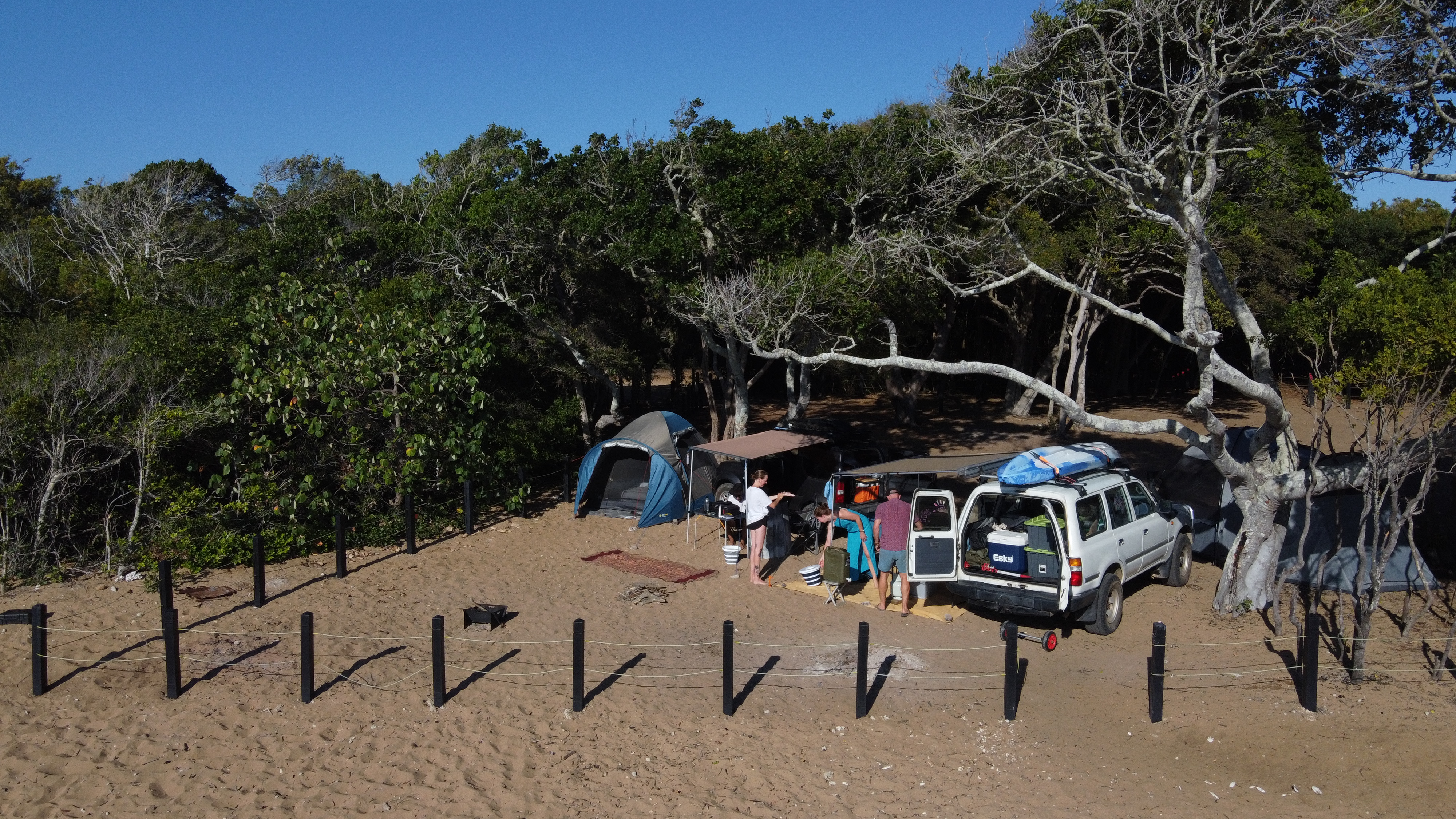
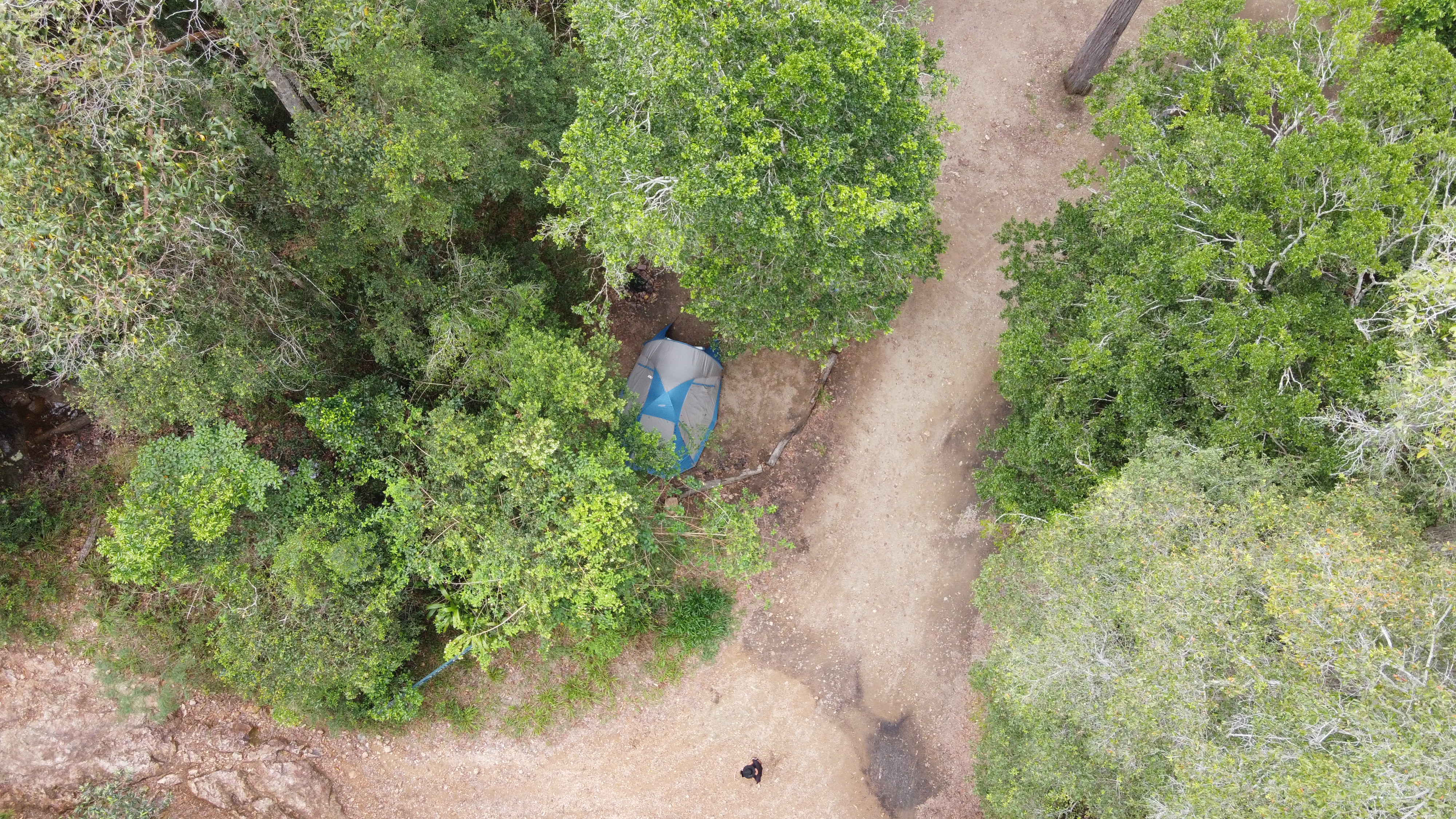
Well a 4WD can be very advantageous as a lot of Australia’s hidden jewels are very difficult to access and you will have to travel through dirt roads, rivers, creeks, sand, rocks and corrugated roads if you decide to tour around. To get the maximum out of the experience and to really enjoy all of the national parks you need a 4WD. You will then have complete freedom. Any road, any trail, could be your next adventure. 4WD’s are hot property here, they are definitely the most popular choice across the entire country. But not everyone enjoys the thrill seeking adventure activities that the great wild Australia offers while sleeping in a roof or floor tent. Because those are your options with a 4WD, they have space for every bit of gear, room for the whole family and can take you right into the outback with everything you need. You will have no problems with hard to reach places such as Fraser island in Queensland which necessary to have a 4WD.
On the other hand a van/combi can be very comfortable and will get you around some amazing locations without the hassle of any camping set up. It’s a bed on wheels! And there is the convenience of having a proper shelter when the weather turns bad. You wont have access to every National Park but will still be able to travel with ease and with the bonus of roof space for the surf board.
Now lets get into the accommodation …
Different types of tents
Camping starts with a tent and this will define a lot of what you can and can’t do when touring. There is two major tent types, floor or rooftop.
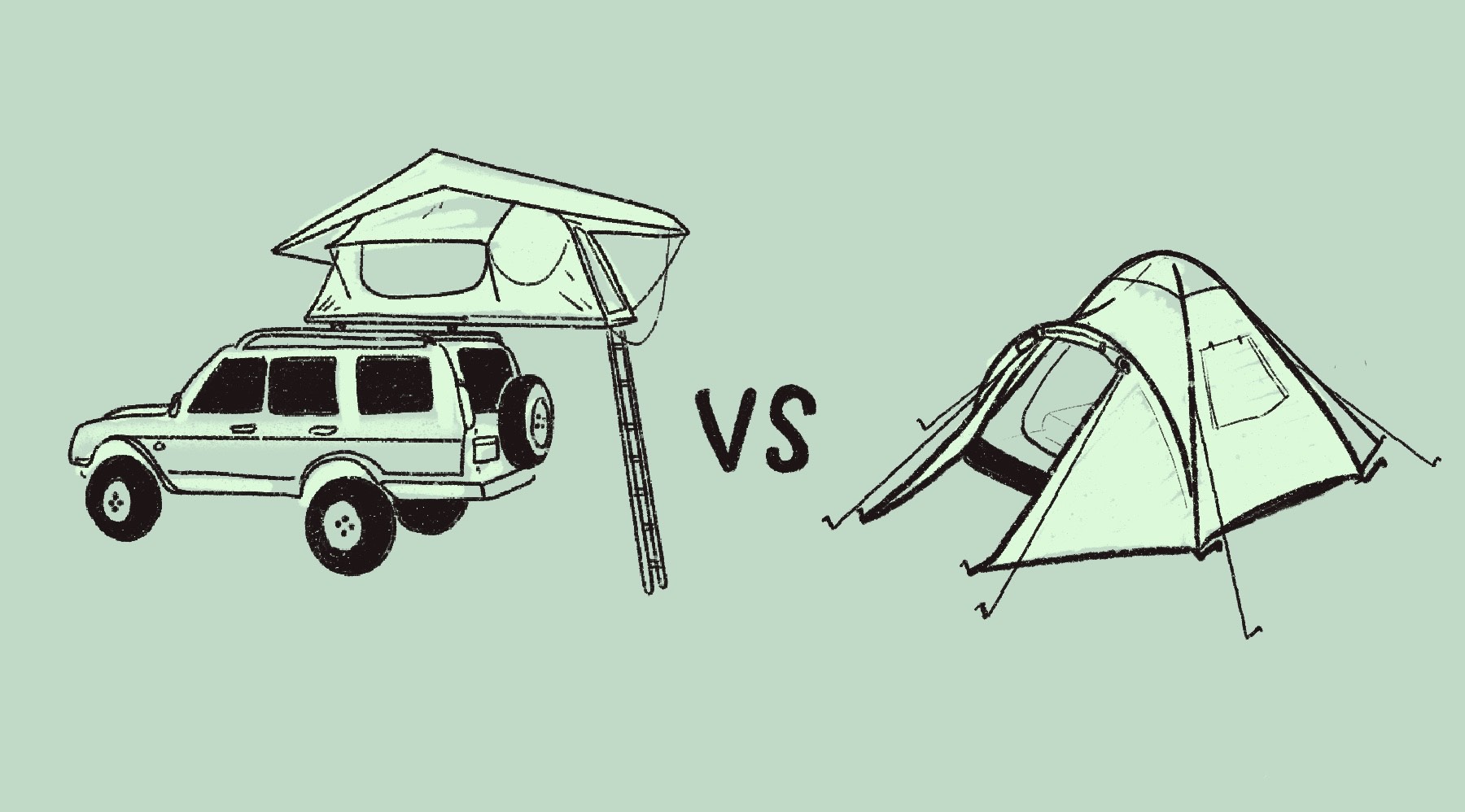
A rooftop tent only requires your vehicle to be able to hold heavy weight so you will have to check that first. It then offers a fast, strong and easy set up and you can park almost anywhere you like. On a sandy beach or half way up a mountain, the rooftop tent is very popular in Australia and offers extra protection from all the crawling nocturnal wildlife. The only minor drawback to this set up is having to put the tent down every time you want to drive around and loosing the roof for storage space.
There is a multitude of options to choose when it comes to floor tents. The classic OZ swag is very popular with the locals with options in many sizes. Very handy as it often comes with an inbuilt mattress and only takes a couple of minutes to set up. They also have great resistance to wind. The major downside of it is the size when folded, it can easily take twice more room than a classic 6 person pole tent. You also don’t want to get stuck in the rain, that tent will end up like a wet saggy mess. It’s very thick and heavy outer surface is prone to leaks, the locals usually install some sort of gazebo or awning over the swag to protect the shelter with its very own shelter. The swag is easy for a weekend in the wild rather than a year long, full time road trip.
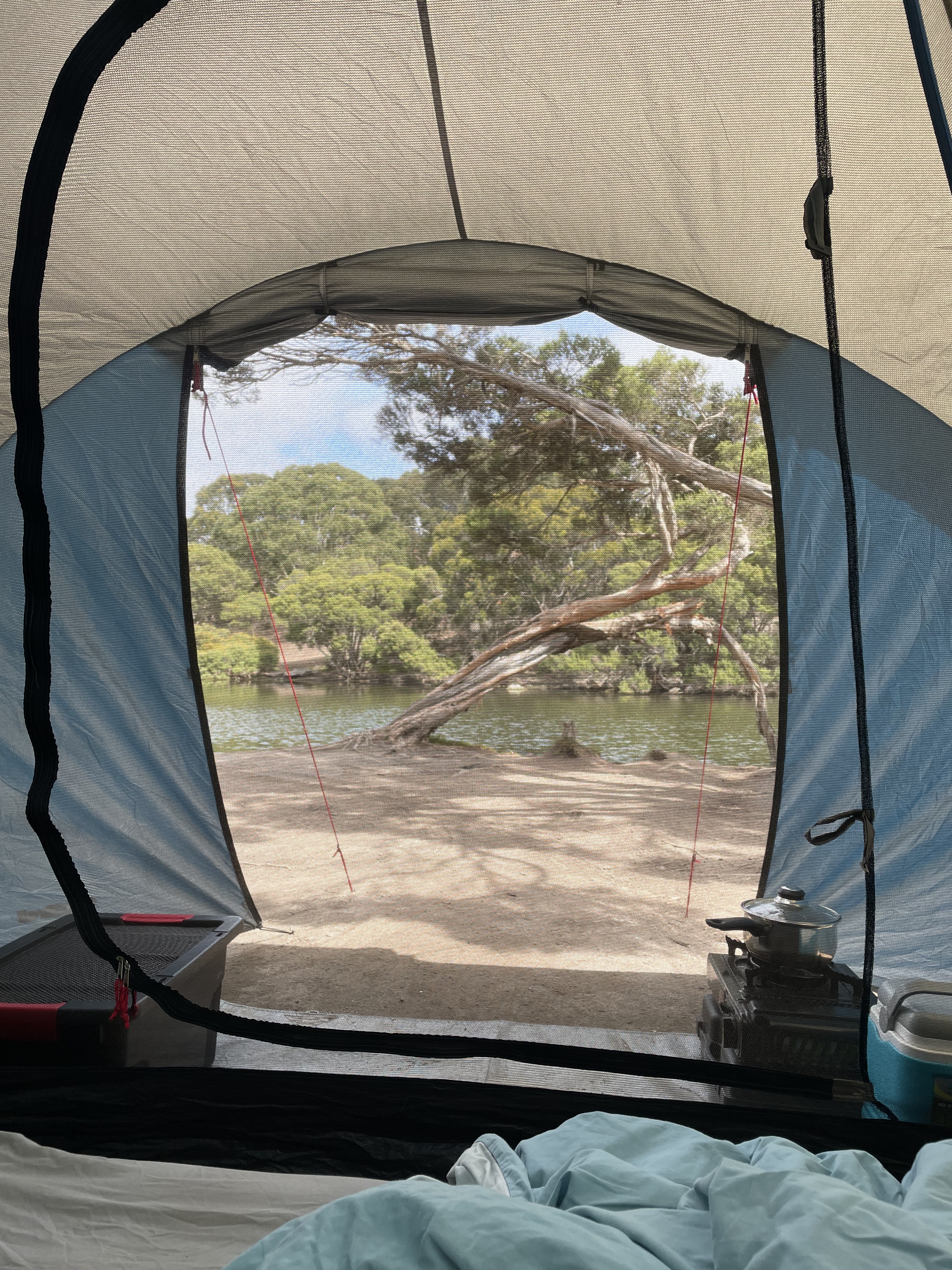
The other option is a classic tent with poles, a little longer to set up (15 minutes) they offer more room and the option to leave the camp for the day without having to pack it all away. The wind can be a challenge in this tent, look for natural protection, trees or bushes that could help on those unpredictable days (that is where regularly checking the weather will help!). But in-spite of all of this, they remain a good option for mid to long term touring on a budget and being a much cheaper option compared to swags and rooftop tents. We have been living out of a 4 people (really perfect for 2) pole tent for the last year. These tents are convenient and really easy to buy spare parts if needed. We oped for a slightly bigger tent to give us the room to spread out and stand up in it on rainy days. When you live in a tent full time, having the extra space is pure luxury.


Tips & tricks
When you want to camp there is a few simple step you should check to make it easier for yourself. No one wants to end up on the news as the idiot who got lost in a National park two days after trying to play happy camper. It’s actually pretty easy to avoid if you follow theses few tips.
Before you get to the campsite, make sure you check what roads to take and if they are subject to flooding or other hazards that could be problematic. Roads in Australia can be very rough and hostile in many ways, make sure you check if the road is sealed or not, as dirt roads can get very hazardous when wet. This bring us to weather forecast, even if it sounds very obvious it is one of the most important part of planning your camping.
Checking the weather and wind forecast for the next few days can avoid you a lot of headaches when camping, especially in Australia and its extreme conditions. With the worlds climate change slowly showing signs of destructive weather events it is extremely important to plan your trip depending on the weather. Australia is LARGE and you really don’t want to get stuck somewhere dangerous. And of course, remember the wind!

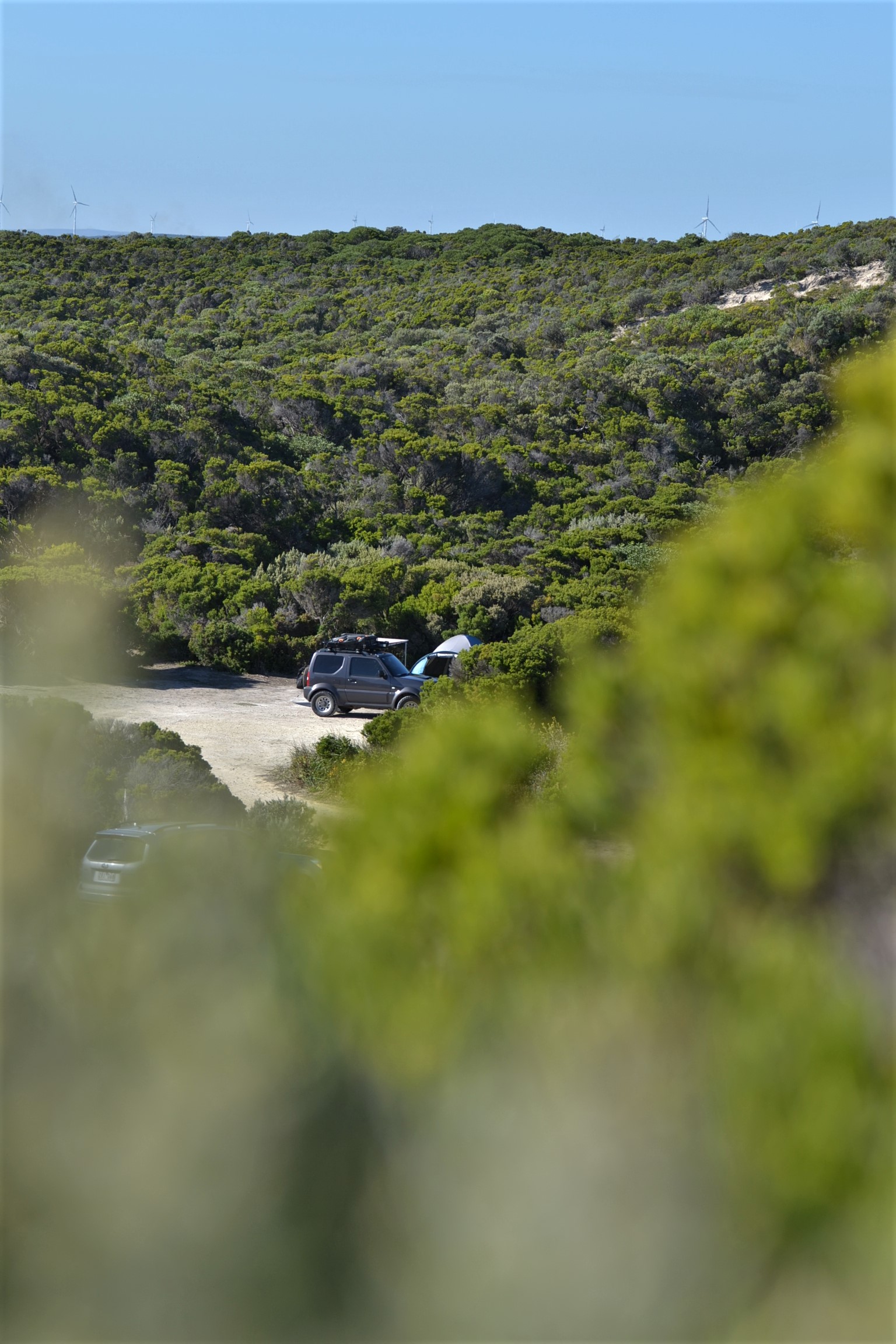
You will need to book a campsite, there are two main options in Australia. National Park or Caravan/Holiday Park. Most National Parks are government run and found in the wild. Each state runs their own department so make sure you check their website first for entry fees, conditions of stay, park closures or weather warnings. Caravan Parks are closer to towns and city centers and are usually privately run, over crowded, over priced and full of retirees. But location is key, they are mostly always in walking distance from any town attractions and a great place to recharge batteries and wash clothes after being in the bush for one too many days. National parks are truly the way to go if you are able to get reach them (remember not all cars will get to every park). They are always further away from civilization and really give you that “in touch with nature” experience. They are nearly half the price of caravan parks but normally have limited service and no access to fresh water or electricity due to you being in, well, nature. The fees goes back into the parks department and helps secure the safety of Australia’s wildlife. Remember while staying at parks to leave it how you found it. Meaning don’t leave, ANYTHING behind. All rubbish brought in should be taken away. We want the animals to survive without us so that they can live the way nature intended it.

Check your vehicle, and avoid bad surprise along the trip. This is a must do before heading into the wild, always make sure your vehicle is in good condition and ready to handle any road. Carrying a 2 way radio or VHF can be a great investment if your are planning on traveling long distance and in very remote area. Australia is rough and unpredictable, you really don’t want to be lost without any way of contact. Phone service is limited across majority of the country, so be smart and think ahead.
Carrying a torch, is essential when you go camping even if you already have one on your phone. Camping often means remote areas and no public light which can be beautiful to catch the stars above but annoying when you need to walk around your camp the dark. Saving your precious phone battery in case of emergency (especially if you don’t have a VHF radio) and using a torch will make your camping experience much more enjoyable.


Cook before sundown. If you decide to cook at your campsite it is much easier to cook while there’s still daylight. If you want to enjoy the sunset while having a nice meal it is also the best way to avoid attracting nocturnal wildlife and the constant swamp of mosquito’s to your campsite.
Keep you rubbish small and in a locked away, if you want to enjoy your camping experience. Carrying a lot of rubbish can be annoying, smelly and you will sometimes end up in areas where there is not a lot in terms of waste disposal. Try crushing anything that can light like plastic bottles, cans and tins so that traveling with rubbish will be compact and easy. It is also a good idea to install a special container or bag on your vehicle that will keep the rubbish contained from the rest of your gear.
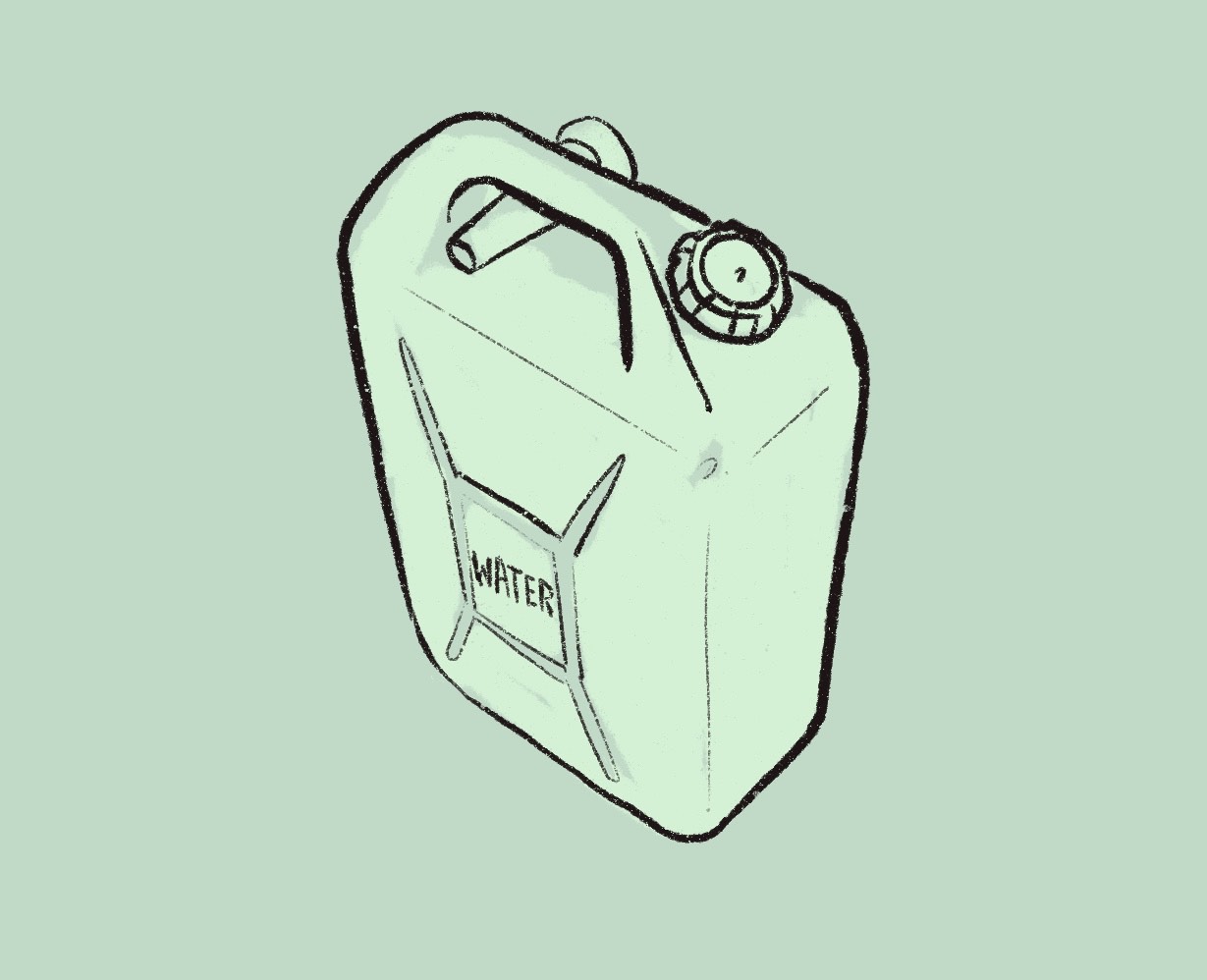
Bring water everywhere, this seems quite obvious but people often misjudge the amount of water needed to go camping. The average rule of thumb recommends 7-10 liters of water a day per person. This seems a lot but if you use that water for cooking and rinsing your dishes it will disappear pretty quickly. From our own experience we recommend carrying at least a 20 liter jerrycan for 2 persons for 2 days. You will be able to find fresh water to refill the jerry can along the way, look out for public toilets, rest areas and caravan dump sites for free water taps. Keep in mind that not all of these will be fresh and clean drinking water, if you are unsure, boil the water (treat the water) before drinking it. Better to be safe than sorry.

So to wrap it up, your set up will often be defined by how long you plan to be on the road. Remember there is option for everyone and for every budget. Camping is not only reserved to the wealthy, it can be affordable to any everyone and can be a great life choice. The absolute highlight of being on the road full time and having the freedom to go anywhere you please and really a unique experience that Australia offers. So, where will you begin your adventure?
Here are some must visit National Park Campsites:
- Tidal River camping, Wilson’s Promontory National park – VIC
- Rummery park campground, Nightcap National park – NSW
- Green Patch campsite, Jervis Bay National park – ACT
- Kinkuna camping, Burrum Coast National park – QLD
- Orchid Beachfront camping, Fraser island – QLD
- Trig campground, Deep Creek National park – SA
Forever Travelling, Chris & Claire.
 Greetings from
Leave a comment